The equipment used implements for manicures and pedicures must be spotlessly cleaned and disinfected to prevent infection, maintain customer confidence, and preserve the reputation of any nail care establishment. In this day and age, when people are hyper-conscious about health and personal hygiene, the cleanliness of manicure and pedicure equipment is not just a matter of preference- it is a legal and ethical responsibility.
Every time a nail technician works on a client’s nails, germs, fungi, or viruses can spread unless the technician applies proper precautions. These tools come into direct contact with the skin, cuticles, and blood, which can easily spread pathogens. To maintain a nail salon’s license and reputation, and to practice nail care safely at home, disinfection should be a top priority.
This article will discuss how to identify the right equipment, the best methods for cleaning and disinfecting it, and how salons can adhere to hygiene guidelines. Suppose you are a professional technician or a beauty-conscious individual. In that case, you will understand why manicure and pedicure equipment should be sparkling clean.
Why Hygiene Is Uncompromising In Nail Care
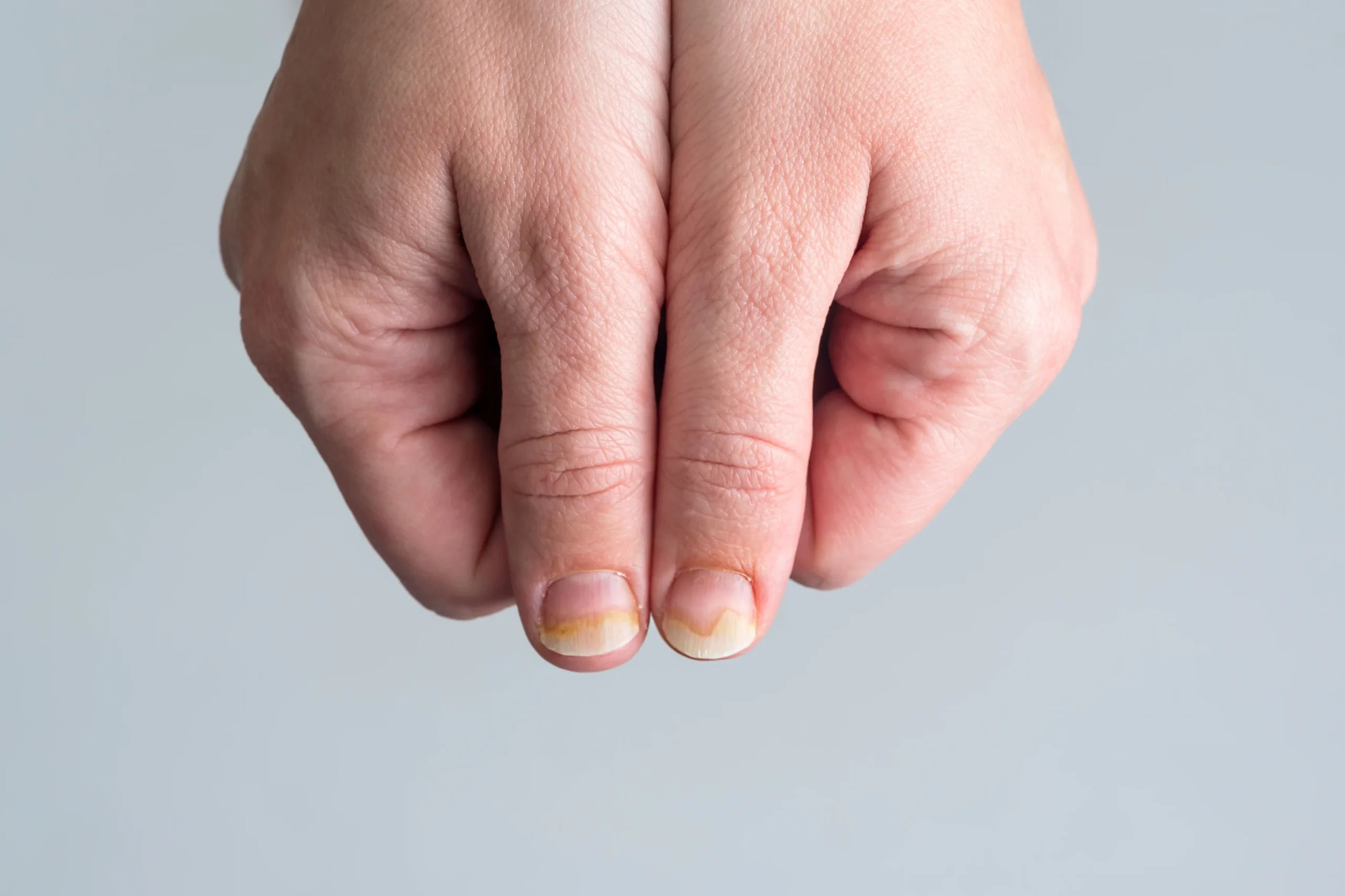
Cleanliness is essential in nail care. Bacterial and fungal infections, such as staph infections and athlete’s foot, can easily spread in unclean conditions. An unclean cuticle pusher or nail clipper can introduce harmful germs directly into your skin, potentially leading to painful infections, skin discoloration, and even permanent damage to the nail structure.
In addition to health hazards, such negligence can lead to legal action, negative reviews, and the potential for losing customers. Clean equipment establishes a foundation of professionalism and ensures customer safety, so everyone leaves with a positive experience—not a hidden health risk.
Risk of Cross-Contamination In Nail Salons
Cross-contamination is a silent threat in nail salons. If a practitioner does not properly sterilize before treating another client, bacteria, fungi, and viruses can easily spread. Tools such as nail clippers, pumice stones, and foot files come into direct contact with the skin. They can become a source of serious infections if not properly disinfected.
Prevention starts with awareness and education. Nail technicians should receive proper training to understand the risks and to clean and disinfect their work areas effectively. Clients should also have the courage to ask questions and ensure that proper hygiene standards are in place. A transparent and proper cleaning process enhances a salon’s prestige manifold.
Understanding The Basic Implements for Manicures and Pedicures
Common Machines And Their Functions
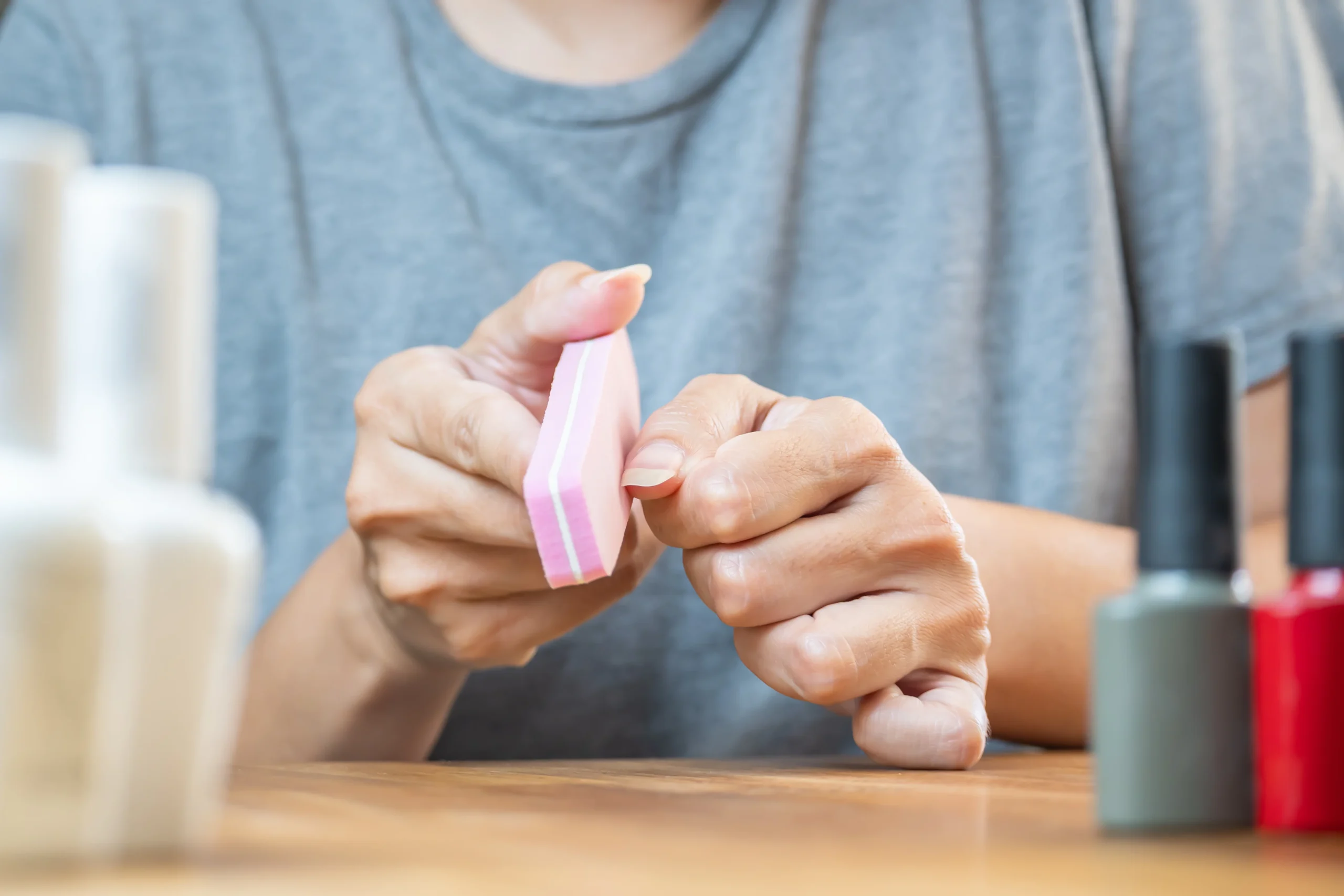
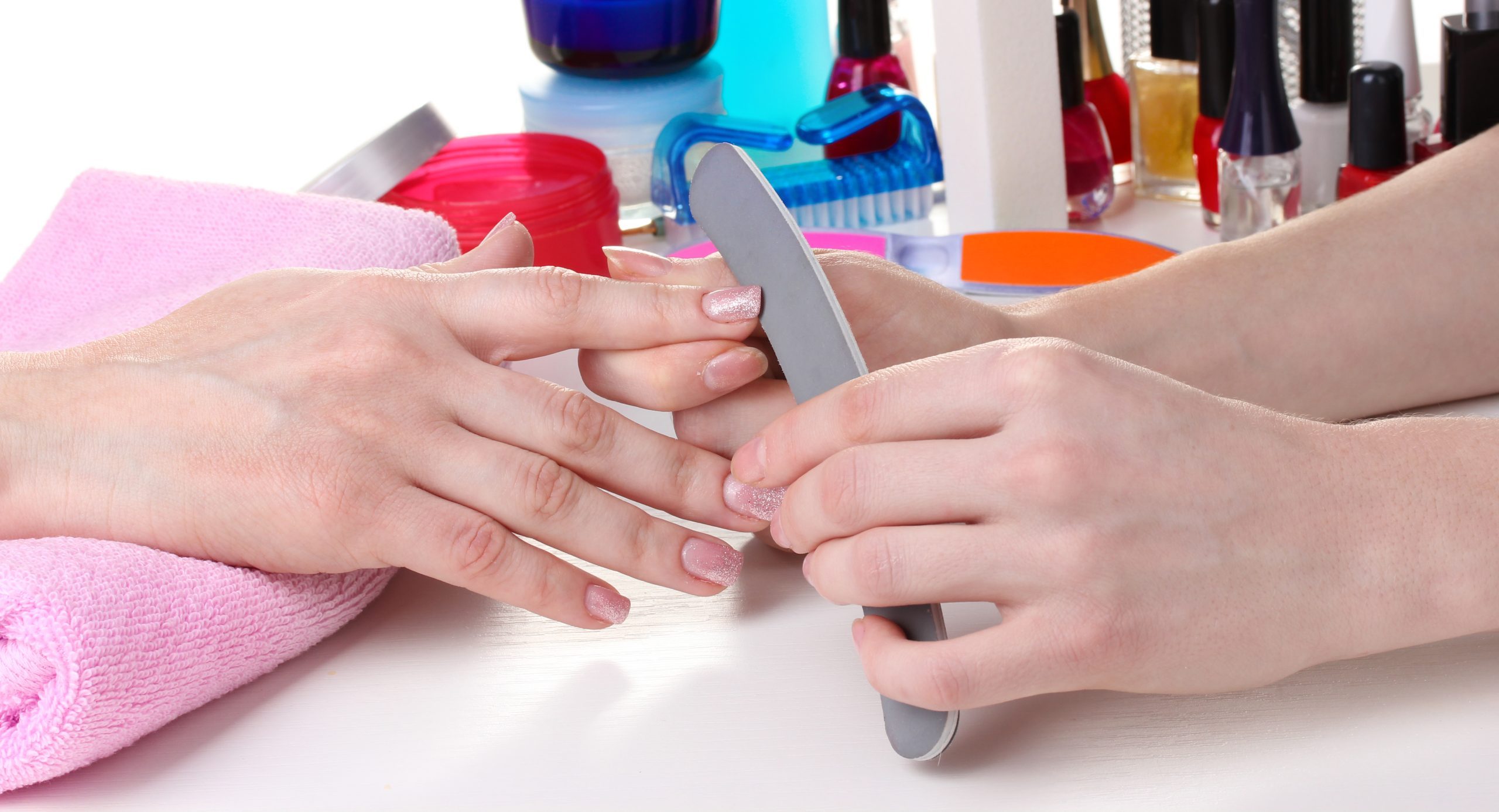
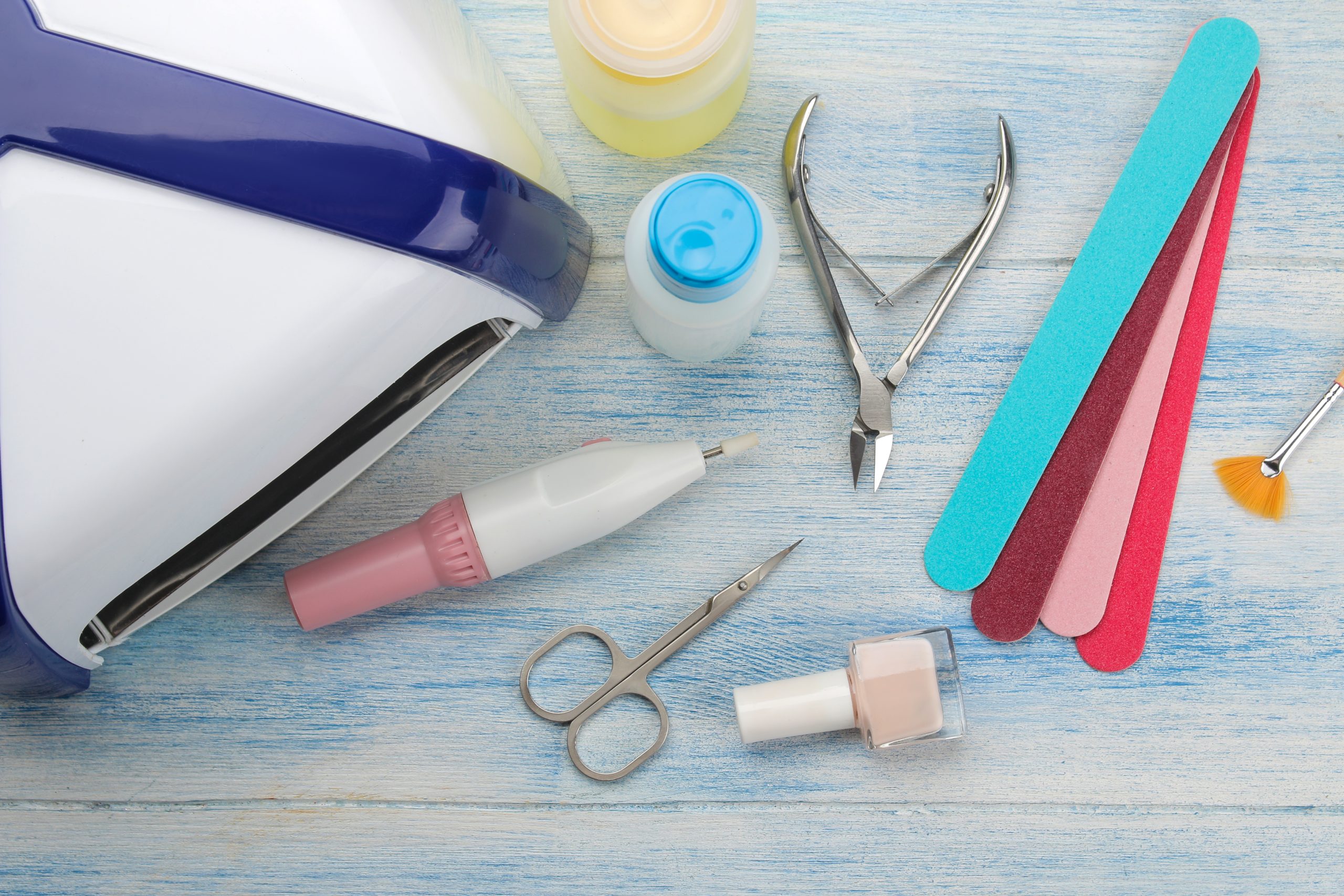
A Typical nail technician’s kit includes several essential tools. These include nail clippers, cuticle pushers, nail files, buffers, callus shavers, toe separators, foot files, and brushes. Each device has its function, but staff must clean and disinfect all devices as a mandatory requirement before each use.
For example, metal instruments such as cuticle nippers and clippers can be sterilized in an autoclave; however, emery boards or pumice stones, which are porous, should generally be discarded after a single use. The right equipment and proper sterilization are evidence of safe, professional care.
Single-use vs. reusable equipment.
It is essential to understand the difference between disposable and reusable instruments. For example, products such as nail files, orange sticks, and toe separators should be discarded after one use because they are porous and cannot be effectively disinfected. On the other hand, stainless steel utensils can be used multiple times if they are adequately cleaned and disinfected.
The safest and healthiest way is to follow the product manufacturer’s instructions and industry standards.
How To Properly Clean Implements for Manicures and Pedicures
Manual Cleaning Steps
The first step in cleaning is hand washing. Wash each instrument in hot water with soap and a brush to remove visible dirt or tissue. The step is crucial before disinfection, as residual particles can disrupt the disinfection process.
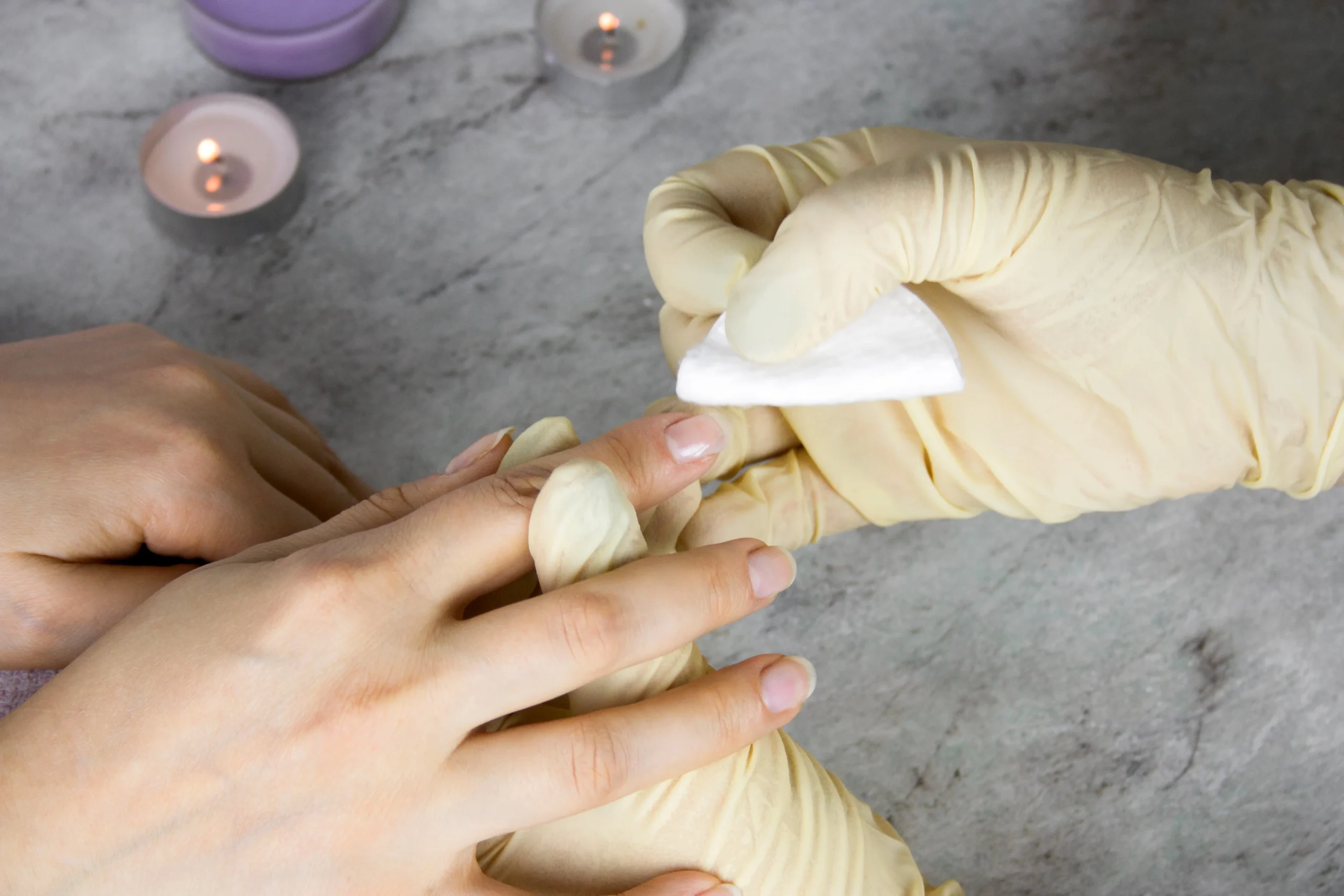
Technicians must wear gloves during cleaning to prevent the spread of infection. After washing, dry thoroughly and proceed to the next step.
Pre-Sterilization: Using An Ultrasonic Cleaner
Ultrasonic cleaners are very effective in pre-sterilization. This device uses sound waves to dislodge particles trapped in its small gaps. Leave the instruments in a suitable cleaning solution for a specified period, usually 5 to 10 minutes. They will then be ready for sterilization.
Sterilization In The Safety Of Nail Equipment: The Gold Standard
When it comes to safety in the world of nail care, sterilization is not just a good practice-it’s a necessity. Manicures and pedicures must be sterilize appropriately to eliminate all types of germs, including bacteria, viruses, and fungi. Cleaning and using disinfectants help reduce the amount of germs, but only disinfection can destroy all pathogens. Failure to follow steps poses a risk of infection for both the customer and the technician.
In particular, disinfect tools that may come into contact with blood or body fluids, such as cuticle nippers and nail clippers, after each use. The best method is to ensure sterilization using professional-quality equipment, whether at the salon or at home.
Auto-Clave vs. UV Sterilizer: Which Is Better?
Autoclaving is the best standard method for sterilization. It effectively destroys bacteria, viruses, and fungi by using high-pressure steam at approximately 121°C (250°F). The health authorities worldwide recognized these procedures. It is now mandatory in medical and beauty practices in many countries.
Misunderstand UV sterilizers. UV light can be helpful for sterilization, but it does not penetrate as deeply or provide as reliable results as an autoclave. Many professionals use UV cabinets only to store previously sterilized equipment. Relying solely on UV light disinfection is insufficient from a safety perspective.
Proper Storage After Sterilization
It is also essential to store the equipment properly after sterilizing it. Store these devices in clean, airtight pouches or containers until use. Exposed to air, dust, or touch, they can become contaminated again. Many salons seal sterilized equipment in autoclave pouches and open them in front of clients to prevent infection and build customer trust.
Hygiene Rules To Follow In Salons
A truly professional salon adheres to strict hygiene rules every day. It’s not enough to just clean equipment. Occasionally, staff must clean and disinfect equipment after each client. Technicians must use disinfectant not only on equipment, but also on every surface, footbath, towel, and on their hands.
How To Develop A Daily Disinfection Routine
Daily routines should include cleaning and disinfecting all work areas, wiping down chairs and tables, and scrubbing the footbath after each use. Staff should collect, wash, disinfect, and store correctly. Dispose of disposable items, such as wooden sticks or pads, hygienically after use. Using a checklist makes it easier to maintain consistency and accountability.
Staff Training on Hygiene
No matter how advanced your equipment or protocols, they will only be effective if staff use them correctly. Every employee should receive training on hygiene and disinfection procedures upon hire and at regular intervals to ensure they are well-informed and equipped to maintain a safe work environment. This will include using equipment safely, operating sterilization equipment, and recognizing signs of infection.
Encourage staff to speak up if they suspect neglect of disinfection or the presence of infection. A team that values health and safety creates a culture of professionalism and care.
Customer Awareness: What To Know And What To Ask
Consumers have every right to question hygiene practices and expect transparency in these matters. Educating customers helps them make informed decisions and encourages salons to maintain strict standards.
How To Recognize A Clean Salon
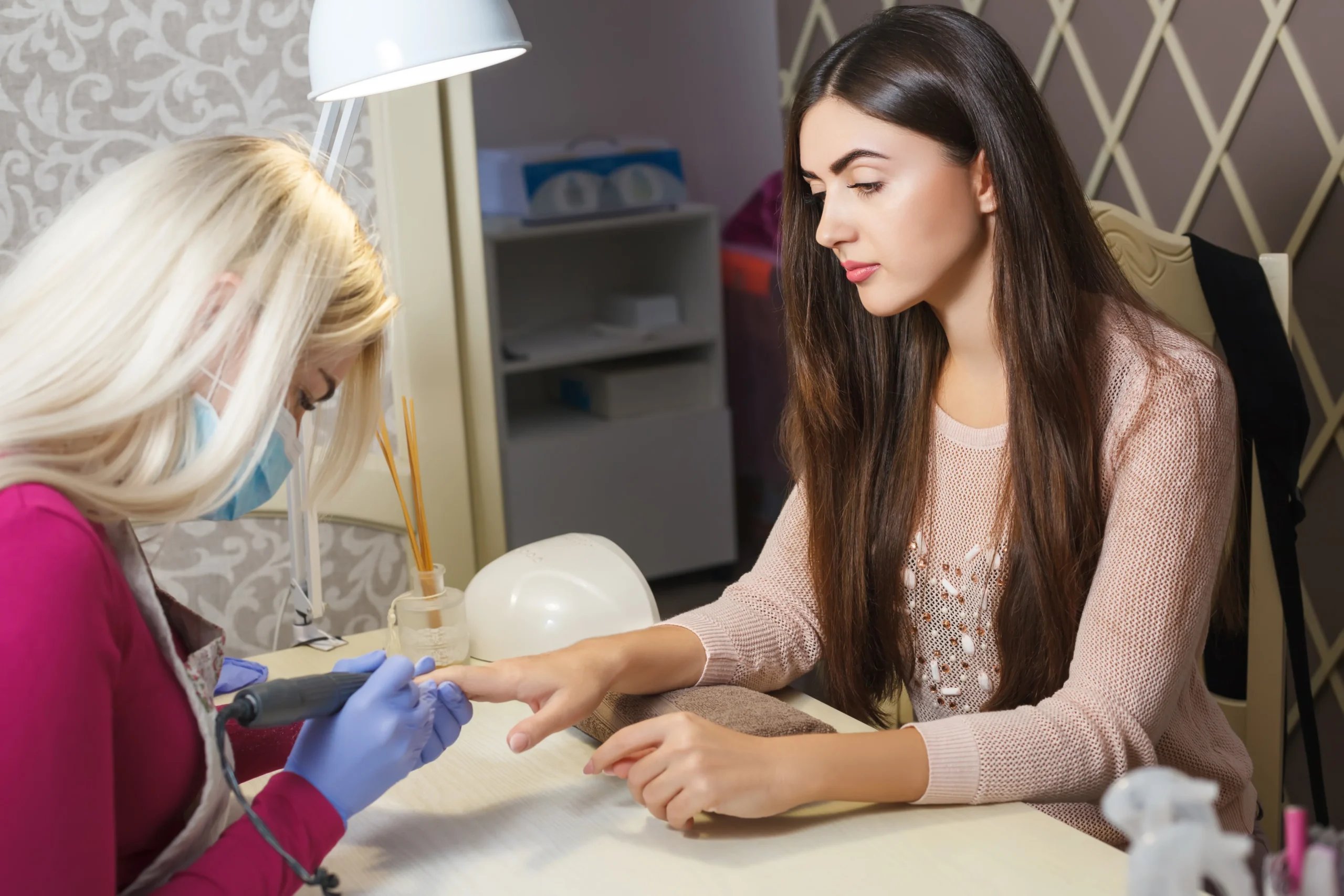
Pay attention to the tools packed separately. Is the area clean? Is the technician wearing gloves or using hand sanitizer? The device in the autoclave pouch, along with the color-changing indicator, provides proof of sterilization. Cleanliness should be visible, not hidden.
What To Do If You Have Doubts About Cleanliness?
Suppose you observe dirty equipment, the reuse of disposable items, or technicians not washing their hands. In that case, you can leave the salon and report the issue to the management. Contact local health authorities if necessary. Most importantly, don’t risk your health. Take another day and choose a salon that values cleanliness.
Legal And International Hygiene Guidelines For Nail Salons
Governments and health organizations have set clear rules to ensure customer safety in nail salons. Following these rules is not an option. The authorities enforce this legal obligation through regular inspections.
OSHA and CDC Guidelines In The United States
In the United States, the Occupational Safety and Health Administration (OSHA) and the Centers for Disease Control and Prevention (CDC) provide guidelines for hygiene in the beauty services industry. OSHA recommends using gloves to prevent the transmission of bloodborne diseases and properly disposing of contaminated equipment. The CDC states that facilities must sterilize reusable equipment by heat after cleaning, such as with an autoclave.
International Comparison: Canada, UK, and Australia
The United States, Canada, the United Kingdom, and Australia have set their salon hygiene regulations. For example, Australia’s Department of Health mandates the use of disinfection. In the United Kingdom, the Health and Safety Executive (HSE) provides guidance on infection prevention. In Canada, provincial authorities regulate salon safety.
While procedures vary by country, the main message is the same: manicure and pedicure equipment must be completely sterile.
You Can Read More Articles About Makeup and Beauty Here
Final Thought: Implements for Manicures and Pedicures Must Be
In every area of personal care, safety comes first, and that’s even more important in nail salons. Every instrument should be clean, sterilized, and used correctly to ensure the safety of both the client and the technician. From cuticle nippers to pumice stones, any negligence can be dangerous.
By following proper cleaning protocols, using advanced sterilization equipment, and maintaining a routine, manicures and pedicures will not only be beautiful but also safe.
Clean equipment is not just a sign of professionalism; it is the foundation of trust and quality in the nail care industry. Never take the importance of proper hygiene lightly; it is the silent guardian of your beauty and well-being.